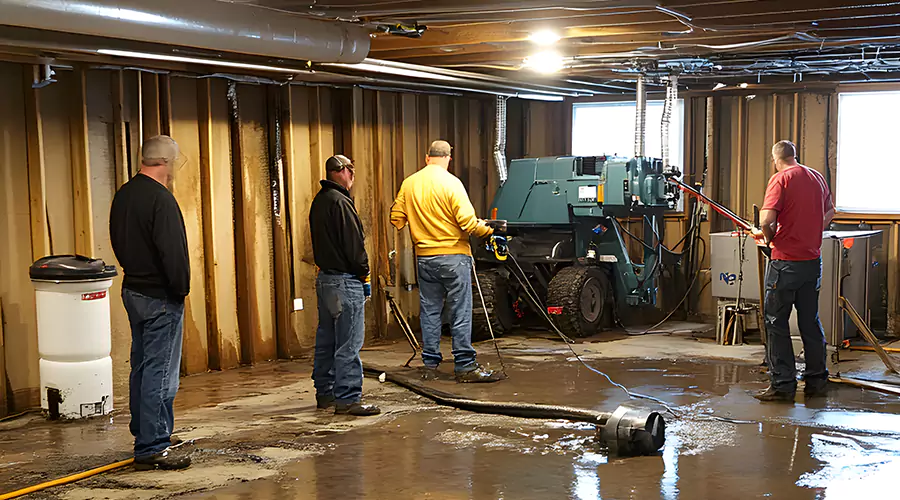




Water damage can affect any property at any time. Whether caused by a burst pipe, heavy rain, leaking appliances, or flooding, the impact goes far beyond wet floors and walls. Water damage restoration is a specialized process designed to return your property to its pre-loss condition safely and effectively. In this guide, we’ll explain exactly what water damage restoration is, why it’s important, and how the process works step-by-step.
Water damage restoration is the process of cleaning, drying, repairing, and restoring a property after water intrusion. It isn’t simply removing visible water — professionals use industry-standard methods and tools to address moisture that has soaked into structural materials, hidden cavities, and content items.
Left untreated, water damage leads to:
A certified restoration expert follows established standards — such as the IICRC S500 — to ensure safe, thorough work that protects your health and reduces long-term repair costs.
Before restoration begins, technicians classify the water based on contamination level. This determines safety protocols and cleanup methods.
Understanding the category helps professionals decide what materials can be saved and how to handle sanitization safely.
Here’s how the water damage restoration process works from start to finish:
The first and most critical step is a detailed inspection.
What Professionals Do:
At this stage, technicians develop a tailored plan — identifying dry zones, saturated materials, and safety concerns.
Once the assessment is complete, standing water must be removed immediately.
How Water Is Extracted:
Removing water quickly limits further damage and reduces the time moisture has to soak into everything it touches.
After extraction, a large amount of hidden moisture often remains inside materials like:
Professionals Use:
Drying isn’t just about airflow — humidity and temperature control are carefully balanced to speed evaporation and prevent mold growth.
Once dry, the restoration crew handles cleaning and sanitizing.
This Stage Includes:
For gray and black water events, sanitation is especially important to eliminate bacteria and health hazards.
The final step is restoring the property to its pre-damage condition.
Restoration Work May Involve:
Scope varies — from minor cosmetic fixes to major reconstruction — but the goal remains the same: make it look and function like it did before the damage.
The timeline depends on several factors:
A small leak could be resolved in a few days, while severe flooding requiring reconstruction might take weeks. Acting fast and hiring professionals right away can significantly shorten the timeline and reduce cost.
Hiring experts ensures:
Water damage restoration is more than cleanup — it’s a systematic, scientific process that protects both your property and your health. By following industry-approved standards and using professional equipment, trained technicians can turn a potentially devastating event into a manageable restoration. Acting quickly is essential, because every hour counts when it comes to minimizing damage and preventing hazardous conditions.
Our certified experts are ready 24/7 to assist you with emergency restoration services.
GET A QUOTE