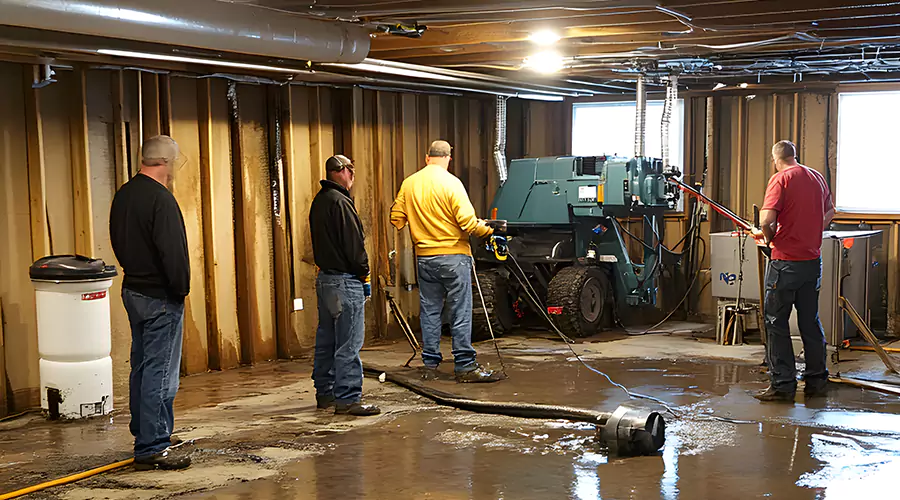



Water damage is one of the most common and costly problems homeowners face. It can start small and often goes unnoticed until it becomes a serious issue. Hidden leaks, plumbing failures, roof problems and humidity-related moisture can slowly damage your home, leading to mold growth, structural issues and expensive repairs. The key to protecting your home is early detection. When you know what to look for, you can stop water damage before it gets out of control.
Below are the 10 early signs of water damage every homeowner should know to keep their property safe and well maintained.
One of the most obvious signs of water damage is discoloration on your walls or ceilings. These stains usually appear as yellow, brown or dark patches and often grow larger over time, indicating that moisture is continuously entering the area. Discoloration commonly appears around:
If you see these stains, take action quickly to prevent further damage.
Peeling paint or bubbling wallpaper is a strong indicator that moisture is trapped behind the surface. This happens when drywall absorbs water and begins to swell, weakening adhesives and causing the surface to pull away, often signaling the need for Water Damage Repair before the problem spreads. Watch for:
Flooring materials are highly sensitive to moisture. When water seeps beneath them, the materials begin to warp, swell or soften. Signs of floor-related water damage include:
A lingering musty smell is one of the earliest signs of hidden moisture, often caused by mold or mildew growth in poorly ventilated areas. You may notice this smell in:
Mold begins to grow when moisture is not removed quickly and can appear within 24 to 48 hours. It may show as black, green or white patches on surfaces. Even a small area of visible mold often means a larger moisture problem is hidden nearby.
A sudden increase in your water bill often signals a hidden plumbing leak. If usage hasn’t changed but your bill has risen, check common leak locations:
Sometimes you can hear water damage before you see it. Dripping, running water or hissing sounds inside walls may indicate a leak. Noises are especially concerning when:
Small, recurring puddles or damp spots often reveal a water issue. While occasional spills happen, repeated wet areas usually indicate a leak or drainage problem. Common areas include:
Moisture can weaken structural components over time, causing cracks. Look for:
A sagging or drooping area usually means water has saturated the materials. This can happen due to roof leaks, burst pipes or long-term moisture exposure. Sagging ceilings are dangerous and require immediate professional attention.
Water damage can become a major problem if ignored. The earlier you recognize the signs, the easier and more affordable it is to repair. If you notice any of these warning signs, contacting a professional water damage restoration company is the safest way to stop the damage and protect your home.
Our certified experts are ready 24/7 to assist you with emergency restoration services.
GET A QUOTE